The Missing Link in Mental Health? Why Fibre Matters More Than You Think
If you’ve been on social media lately, you may have seen the term “fibremaxxing.”
And for once… the internet is onto something.
Fibre is having a major comeback—and not as a boring side note, but as one of the most powerful tools we have for improving gut health, balancing blood sugar, and supporting long-term health.
In fact, fibre is now predicted to be one of the biggest nutrition trends of 2026, with a growing focus on gut health, metabolic health, and sustainable weight management.
But here’s the thing: most people still aren’t getting enough—and they don’t realise how much it’s affecting their mental health.
And it all comes back to one system: the gut–brain axis.
The Gut–Brain Connection Is No Longer Theoretical
We now know that the gut and brain are in constant communication through what’s called the gut–brain axis—a complex network involving the nervous system, immune system, and gut microbiota.
Recent research shows that disruptions in the gut microbiome are associated with conditions such as depression, anxiety, and stress-related disorders
What’s particularly important here is that your gut microbiome is not fixed—it is highly responsive to what you eat.
And this is where fibre becomes critical.
Fibre Feeds the System That Regulates Your Mood
Fibre—particularly prebiotic fibre—acts as fuel for beneficial gut bacteria. When these bacteria ferment fibre, they produce compounds called short-chain fatty acids (SCFAs), which influence inflammation, neurotransmitter production, and even brain signalling pathways.
Emerging research suggests these mechanisms are directly involved in mental health. Changes in gut bacteria linked to fibre intake have been associated with improvements in mood, sleep, and stress response
There is also evidence that increasing prebiotic fibre can reduce markers of inflammation—an important factor, given the strong link between chronic inflammation and depression
In simple terms: when you feed your gut well, you’re influencing the biological systems that regulate how you feel.
What the Research Actually Shows
One of the most comprehensive analyses to date (2023) examined over 180,000 participants and found that higher fibre intake is associated with lower rates of both depression and anxiety
More recent work in younger populations has shown similar patterns. A 2024 meta-analysis found that higher fibre intake was associated with a 49% lower likelihood of depression in children and adolescents
However, it’s important to interpret this carefully.
While observational studies consistently show a protective association, intervention trials using fibre supplements alone have produced mixed results
This suggests something clinically important:
It’s not just about adding fibre supplements—it’s about overall dietary patterns.
Why This Matters in Practice
In clinical work, many people struggling with mental health are also dealing with:
- Irritable Bowel Syndrome (IBS)
- Blood sugar instability
- Under/over eating
- High intake of ultra-processed foods
- Chronic stress impacting digestion
These factors all influence the gut microbiome—and by extension, mental health.
Fibre sits at the centre of this.
It helps regulate blood sugar, supports satiety, reduces inflammation, and nourishes gut bacteria that are involved in neurotransmitter production. Given that a large proportion of serotonin is produced in the gut, this connection becomes even more relevant in practice.
A Shift Away From “Quick Fix” Nutrition
One of the biggest misconceptions is that improving mental health through nutrition requires complex and expensive supplements, prolonged elimination diets, or extreme protocols.
The evidence suggests otherwise.
What seems to matter most is consistency and diversity—particularly a regular intake of plant foods that provide different types of fibre.
Research increasingly supports the idea that a more diverse gut microbiome is associated with better mental health outcomes, and dietary diversity is one of the strongest predictors of that diversity
This is a very different message from restrictive or trend-based diets.
What This Looks Like in Real Life
From a practical perspective, improving fibre intake doesn’t need to be complicated. It’s less about dramatically changing your diet, and more about gradually shifting the composition of your meals.
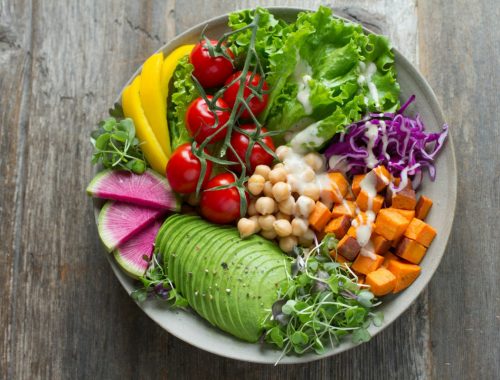
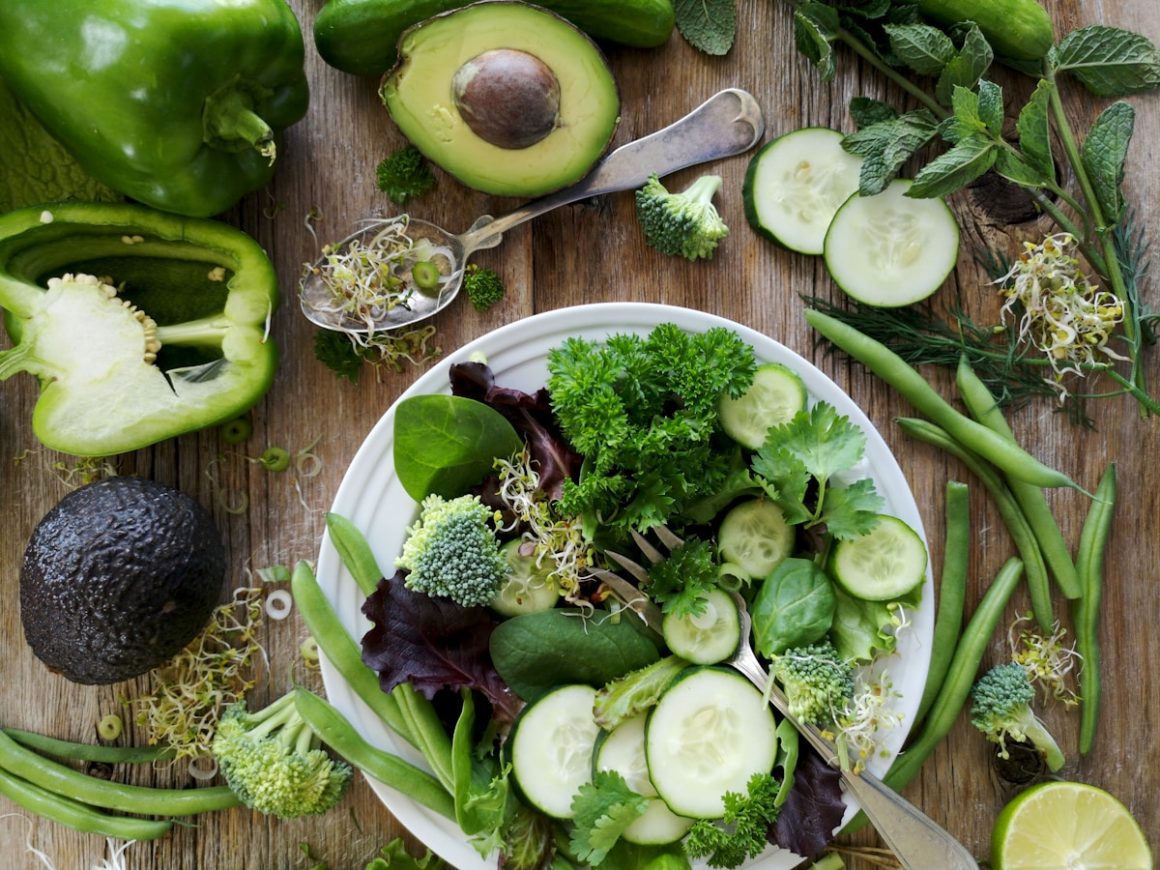
This might mean including a wider range of vegetables across the week, adding legumes into meals more regularly, or incorporating foods like nuts, seeds, and whole grains in a way that feels sustainable.
What matters most is not perfection—but consistency over time.
Fibre is one of the most evidence-supported ways to influence the gut–brain axis—and in turn, mental health.
It is not a standalone treatment for depression or anxiety. However, it shows a powerful and accessible tool that can work alongside psychological and medical care.
References
- Saghafian, F., Hajishafiee, M., Rouhani, P., & Saneei, P. (2023). Dietary fiber intake, depression, and anxiety: a systematic review and meta-analysis of epidemiologic studies. Nutritional neuroscience, 26(2), 108–126. https://doi.org/10.1080/1028415X.2021.2020403
- Mehta, I., Juneja, K., Nimmakayala, T., Bansal, L., Pulekar, S., Duggineni, D., Ghori, H. K., Modi, N., & Younas, S. (2025). Gut Microbiota and Mental Health: A Comprehensive Review of Gut-Brain Interactions in Mood Disorders. Cureus, 17(3), e81447. https://doi.org/10.7759/cureus.81447 microbiome and mental disorders (2024) – Scientific Reports
- Hall, C., Hepsomali, P., Gurry, T., Dalile, B., & Scapozza, L. (2024). Effects of a diverse prebiotic fibre blend on inflammation, the gut microbiota and affective symptoms in metabolic syndrome: a pilot open-label randomised controlled trial. British Journal of Nutrition, 132(8), 1002–1013. https://doi.org/10.1017/S0007114524002186
- Diotaiuti, P., Misiti, F., Marotta, G., Falese, L., Calabrò, G. E., & Mancone, S. (2025). The Gut Microbiome and Its Impact on Mood and Decision-Making: A Mechanistic and Therapeutic Review. Nutrients, 17(21), 3350. https://doi.org/10.3390/nu17213350
Stay up to date with Jodi